Cart
0
SKINCARE DEEP DIVE
How to Clear Hormonal Acne Without Harsh Products
Acne That Doesn’t Respond to Face Wash? It Might Be Hormonal.
March 16, 2026 · 8 min read
You’re doing everything “right.”
- You cleanse regularly.
- You try to eat healthier.
- You invest in skincare products that promise clearer skin.
Yet the breakouts keep coming back — often in the same places.
If pimples repeatedly appear along your chin, jawline, or neck, there’s a good chance you’re dealing with hormonal acne rather than typical clogged-pore breakouts.
Hormonal acne behaves differently. It often shows up as deep, painful bumps beneath the skin, and it tends to appear during certain times of the month or during stressful periods.
This can be frustrating because many conventional acne treatments focus on drying out the skin or aggressively exfoliating it. While those approaches might temporarily reduce oil, they often damage the skin barrier and worsen inflammation, which can actually make hormonal acne harder to manage.
At From Negative, we believe acne should be approached with support, not aggression. Instead of attacking the skin with harsh chemicals, the focus is on calming inflammation, strengthening the skin barrier, and supporting natural healing.
Because sometimes the best way to clear your skin is to stop fighting it and start helping it recover.
What Exactly Is Hormonal Acne?
Hormonal acne occurs when internal hormonal fluctuations stimulate oil glands, leading to clogged pores and inflammation.
Unlike regular acne, hormonal acne is less about surface-level dirt and more about what’s happening inside the body.
It is commonly triggered by changes in hormones such as androgens, which can increase sebum (oil) production.
You may notice hormonal acne during:
PMS or menstrual cycles
Pregnancy or postpartum
PCOS
High-stress periods
Sudden sleep disruption
Diets high in sugar/dairy
Hormonal acne often has a distinct pattern. Typical signs include:
- Deep cystic pimples beneath the skin
- Tender or painful breakouts
- Recurring acne in the same areas
- Breakouts around the chin, jawline, and neck
- Dark marks that linger long after acne heals
Because the trigger is internal, traditional acne treatments that focus only on surface cleansing rarely solve the root issue.
Why Harsh Acne Treatments Often Make Things Worse
When breakouts appear, the instinct is usually to dry them out quickly. That’s why many acne routines rely heavily on ingredients like:
Strong exfoliating acids Benzoyl peroxide Alcohol-based toners Over-cleansing face washes
While these ingredients may temporarily reduce bacteria or oil, they can also strip away the skin’s protective barrier. When the barrier becomes damaged, several problems follow:
- Increased skin sensitivity
- Persistent redness
- Slower healing of acne marks
- Excess oil production as a defense response
Ironically, skin that becomes overly dry often produces even more oil, creating a cycle of breakouts. For people with sensitive or melanin-rich skin, harsh treatments can also lead to post-inflammatory hyperpigmentation, leaving dark spots long after acne disappears. This is why dermatologists increasingly emphasize a barrier-first approach to treating acne.
Can Hormonal Acne Be Cleared Without Harsh Products?
Yes — but the approach needs to shift. Instead of focusing only on eliminating oil or bacteria, the goal should be to calm inflammation, regulate sebum production, and repair the skin barrier. A gentle routine allows the skin to rebalance itself while reducing the frequency and intensity of breakouts. This process takes patience, but it often leads to healthier skin in the long run. Let’s break down the most effective steps.
1 Simplify Your Skincare Routine
Hormonal acne does not require a complicated routine. In fact, too many products can irritate the skin and trigger further breakouts. A balanced routine typically includes only a few essential steps:
- Gentle cleanser
- Calming toner
- Targeted serum
- Barrier moisturizer
- Daily sunscreen
Many people notice improvement simply by removing unnecessary products. When introducing new products, consistency matters more than quantity. Give your skin at least four weeks to adapt — skin renewal cycles take time.
2 Focus on Skin-Calming Ingredients
Instead of aggressive exfoliants, look for ingredients that reduce inflammation and support healing. These help calm active breakouts while preventing future flare-ups.
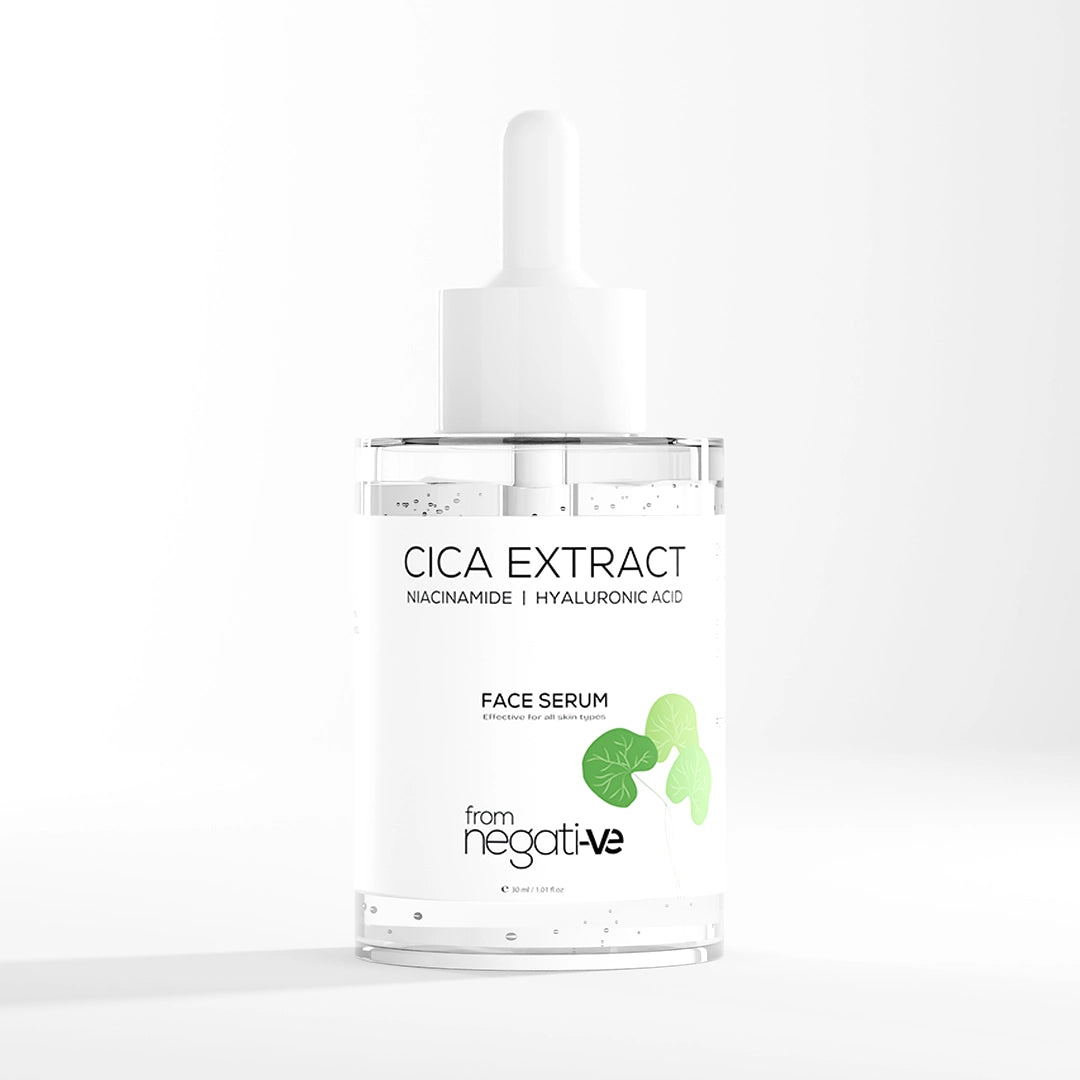
CICA is known for its powerful calming properties. It helps reduce redness, accelerate skin repair, and strengthen the skin barrier. This makes it particularly helpful for inflamed acne and sensitive skin.
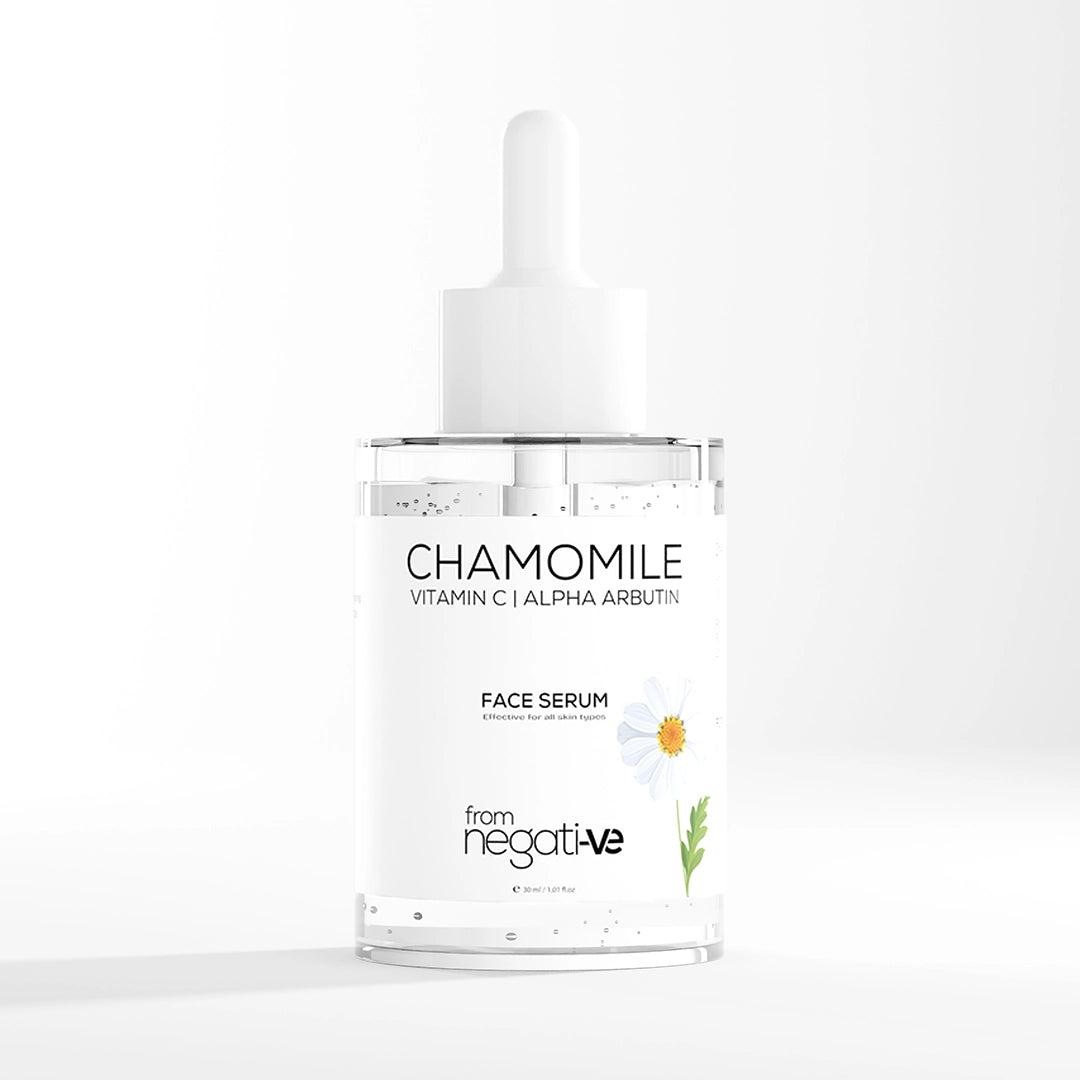
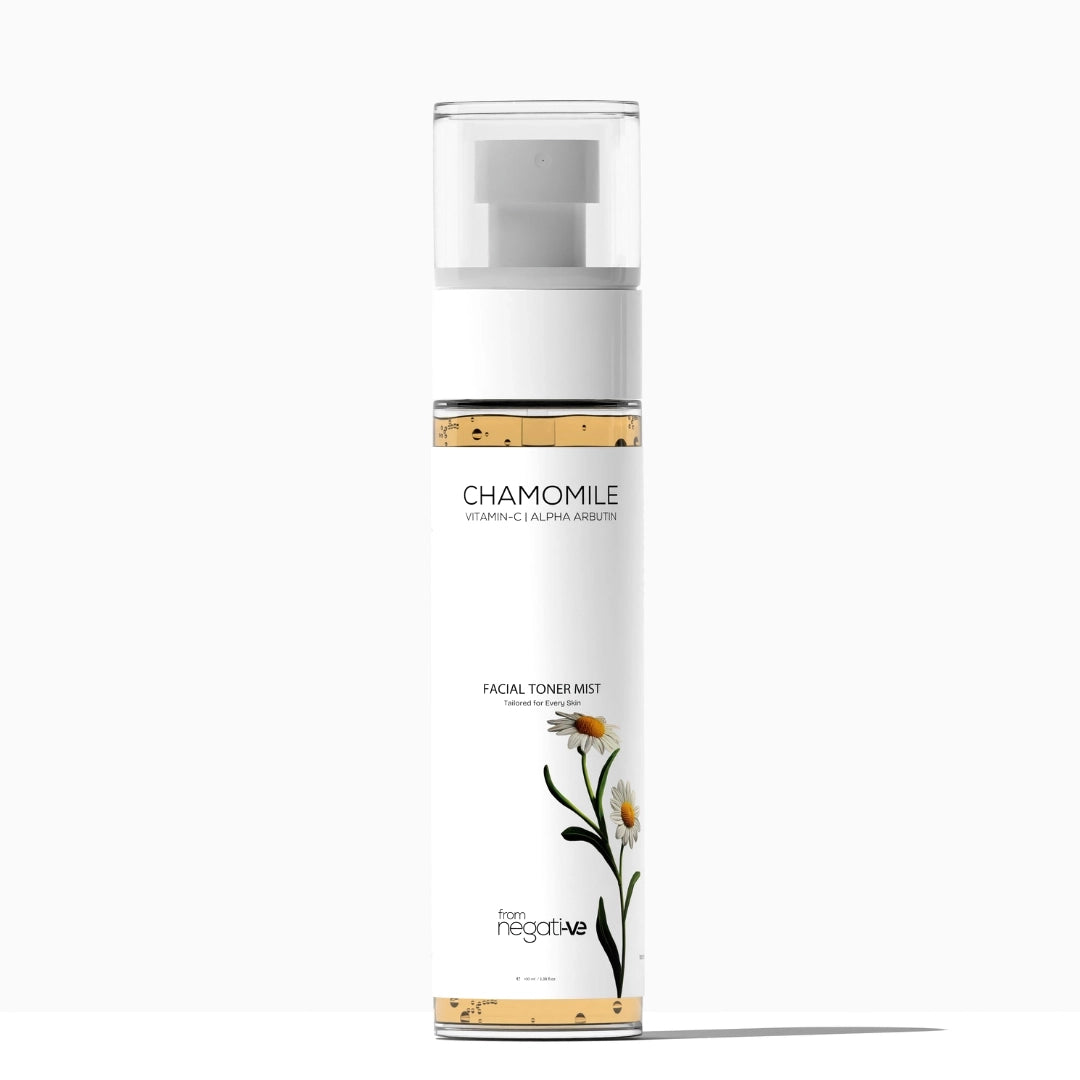
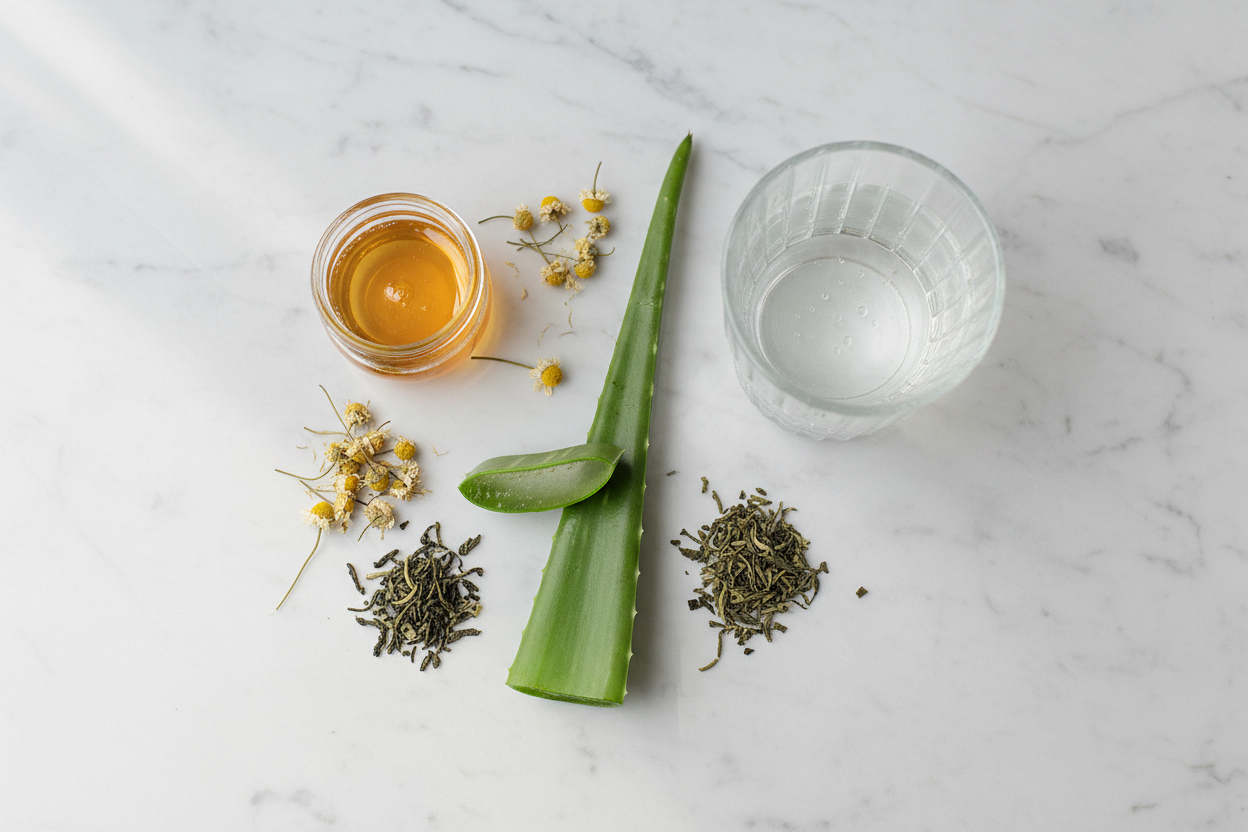
Chamomile contains anti-inflammatory compounds that soothe irritation and support skin recovery. It is especially beneficial for acne-prone skin that also experiences redness, dryness, or sensitivity.
Niacinamide helps regulate oil production while reducing redness and improving skin texture. It also supports the skin barrier, making it one of the most versatile ingredients for acne-prone skin.
Panthenol hydrates the skin while strengthening its protective barrier. This helps prevent irritation and speeds up the healing of breakouts.
Zinc PCA helps control excess oil while supporting antimicrobial activity against acne-causing bacteria. These ingredients work gently but effectively, ideal for long-term acne management without irritation.
3 Repair the Skin Barrier
The skin barrier is often overlooked. However, when this protective layer becomes compromised, the skin becomes more vulnerable to inflammation, dehydration, and breakouts. A healthy barrier helps regulate oil production and keeps harmful bacteria out.
Signs your barrier may be damaged include:
- Stinging when applying skincare
- Persistent redness
- Dry patches + oily areas
- Skin tight after cleansing
Repairing involves hydrating and strengthening ingredients: Ceramides, Hyaluronic acid, Panthenol, Peptides. These help restore balance.
4 Maintain Consistency
Consistency is one of the most important factors. Because breakouts often follow hormonal cycles, routines should remain stable. A simple daily routine might look like:
☀️ Morning
Gentle cleanser, hydrating toner, CICA or calming serum, sunscreen
Gentle cleanser, hydrating toner, CICA or calming serum, sunscreen
🌙 Night
Cleanser, calming serum (Chamomile or CICA), lightweight moisturizer
Cleanser, calming serum (Chamomile or CICA), lightweight moisturizer
If breakouts tend to appear before your menstrual cycle, start calming treatments a few days earlier to reduce inflammation.
5 Support Your Skin Through Lifestyle Habits
Hormonal acne is influenced not only by skincare but also by lifestyle factors. Small adjustments can make a noticeable difference.
- Improve Sleep Quality: Aim for 7–8 hours to support repair and reduce inflammation.
- Reduce Sugar and Dairy: For some, high sugar/dairy can trigger acne. Reducing temporarily helps identify triggers.
- Manage Stress: Cortisol can worsen acne. Gentle exercise, meditation, or walks help.
- Stay Hydrated: Supports barrier function and balanced oil production.
Real Experiences From Acne-Prone Skin
Many people who switch from harsh acne treatments to gentle routines notice a surprising change: their skin becomes less reactive and more resilient. Users of calming, barrier-focused products often report that:
- Breakouts feel less inflamed
- Acne heals faster
- Skin becomes smoother and less sensitive
- Post-acne marks fade more gradually
These results reinforce the idea that supportive skincare often works better than aggressive treatments.
Frequently Asked Questions About Hormonal Acne
No. While hormonal acne is more common in women due to menstrual cycles and conditions like PCOS, men can also experience it due to stress, hormonal fluctuations, or certain supplements.
Not necessarily. Gentle exfoliation can still be helpful, but it should be used sparingly, typically once or twice a week for sensitive skin.
Yes. Ingredients like CICA and chamomile complement each other well, providing both deep calming benefits and surface-level soothing.
The From Negative Approach to Acne Care
At From Negative, skincare is built around one guiding principle: Healthy skin begins with a calm barrier. Instead of aggressive treatments that strip the skin, the focus is on supporting the skin’s natural ability to heal. Calming ingredients such as CICA and chamomile help reduce inflammation while strengthening the skin barrier, making them ideal for sensitive and acne-prone skin. This approach is especially suited for Indian climates, where heat, humidity, and pollution can constantly stress the skin. When the skin is calm and balanced, breakouts become easier to manage — and clearer skin follows naturally.
Final Thoughts
Hormonal acne can feel frustrating, especially when traditional treatments seem too harsh or ineffective. But clearer skin doesn’t always require stronger products. Sometimes the most powerful solution is simply to slow down, simplify your routine, and support your skin’s natural balance. By focusing on calming inflammation, repairing the skin barrier, and maintaining consistency, it’s possible to manage hormonal acne gently and effectively. Because healthy skin isn’t about fighting your skin — it’s about working with it.