Cart
0
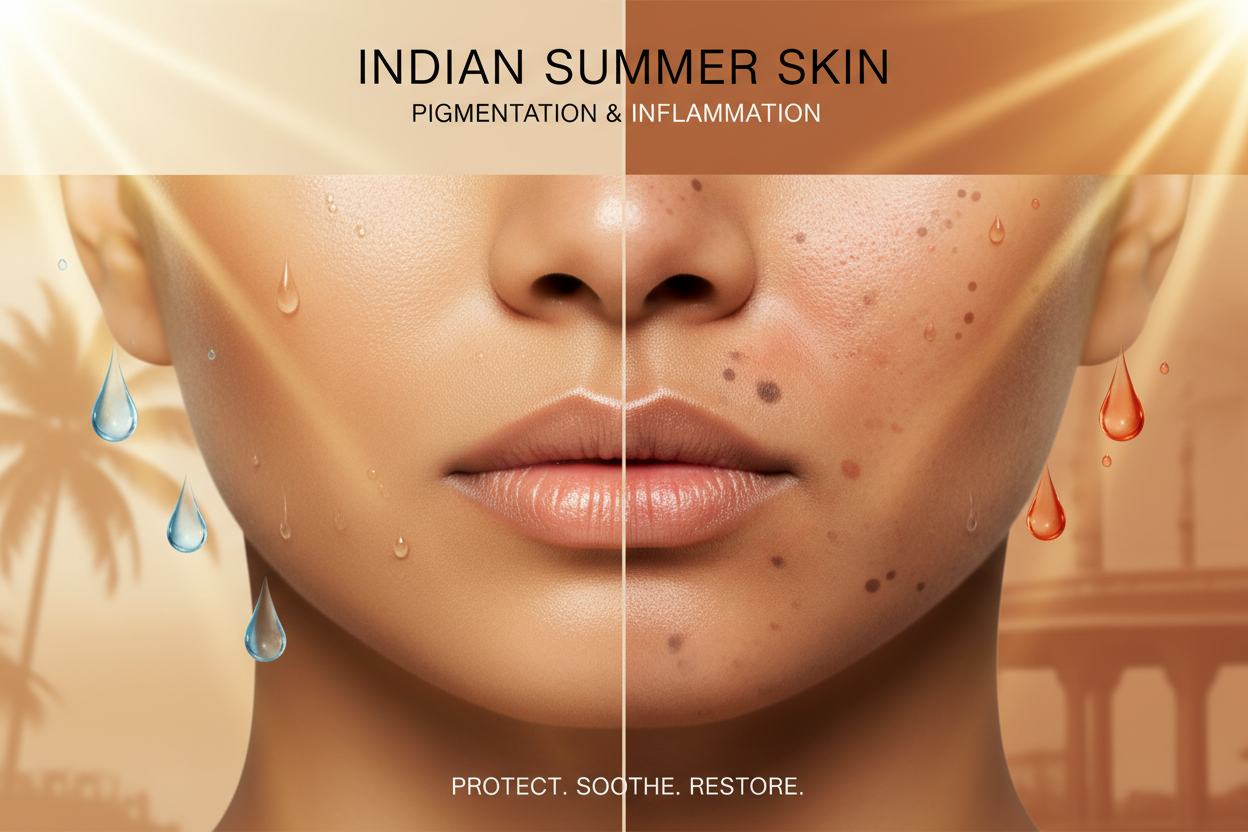
Pigmentation Begins With Inflammation:
Why Treating Dark Spots the Right Way Matters in Indian Summers
Most people approach pigmentation the wrong way.
The moment dark spots appear, the instinct is to immediately reach for brightening serums, exfoliating acids, or vitamin C treatments. While these products can help, they are often used too early in the process — especially during Indian summers.
The truth is that pigmentation often begins with inflammation, not simply sun exposure.
Heat, sweat, acne, friction, harsh products, and over-exfoliation all trigger inflammatory responses in the skin. When the skin becomes inflamed, melanocytes (the pigment-producing cells) become hyperactive and start producing excess melanin. That excess melanin is what eventually appears as dark spots, uneven tone, and post-acne marks.
If you try to brighten skin while inflammation is still present, you slow down healing and may even worsen pigmentation.
The correct skincare strategy follows a different order:
Calm → Repair → Brighten → Protect
Understanding this sequence is especially important for melanin-rich Indian skin, which reacts quickly to inflammation and environmental stress.
In this guide, we’ll explore why pigmentation starts with inflammation, why traditional approaches fail, and the three-phase strategy that helps prevent and treat dark spots effectively in hot climates.
Why Pigmentation Happens Faster in Indian Skin
Indian skin contains higher levels of melanin, which provides natural protection against UV radiation. However, this also means that melanocytes respond more aggressively to inflammation and injury.
When the skin barrier becomes stressed, melanocytes produce more pigment as a defense mechanism.
Common summer triggers include:
- • Excessive sun exposure
- • Heat-induced inflammation
- • Sweat accumulation
- • Acne breakouts
- • Overuse of exfoliating products
- • Friction from masks or clothing
- • Dehydrated skin barrier
Even small skin irritations can trigger post-inflammatory hyperpigmentation (PIH).
This is why many people notice dark marks appearing after acne heals, or patches forming after a sunburn or rash.
The Biggest Mistake People Make With Pigmentation
Most skincare advice focuses on removing pigmentation rather than preventing it.
So the typical routine becomes:
- Use strong exfoliating acids
- Apply brightening serums
- Try aggressive treatments
But if your skin is still inflamed, these steps can cause:
- Increased irritation
- Barrier damage
- More melanin production
- Slower fading of dark spots
Instead of improving pigmentation, this cycle often keeps the skin stuck in a constant loop of inflammation and dark marks.
Think of it like trying to repaint a wall that is still wet. Until the surface stabilizes, the finish will never look even.
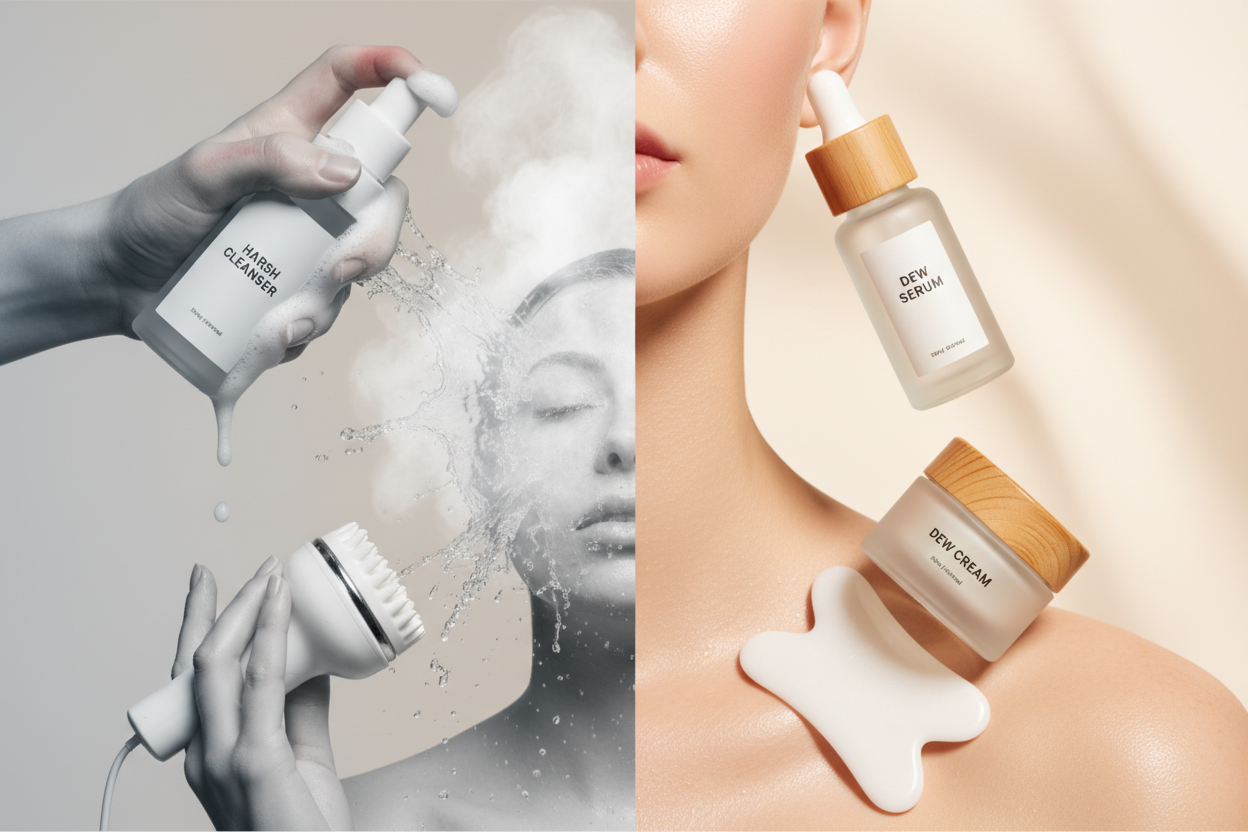
Before you attempt to lighten pigmentation, the skin must first be calm and stable.
Understanding the Skin Inflammation–Pigmentation Connection
When skin becomes inflamed, the body activates its natural defense system.
This process involves chemical signals known as inflammatory mediators. These signals stimulate melanocytes, causing them to produce more melanin as a protective response.
This is why you may see pigmentation after:
- Acne breakouts
- Insect bites
- Sunburn
- Harsh exfoliation
- Skin irritation
For melanin-rich skin tones, this response can be stronger and longer lasting.
If inflammation continues for several days or weeks, the pigmentation becomes deeper and harder to treat.
That’s why calming the skin early is the most important step in pigmentation prevention.
The Correct Skincare Order for Pigmentation
Instead of immediately using brightening products, dermatologists and barrier-focused skincare approaches recommend a step-by-step method:
Calm → Repair → Brighten → Protect
Each stage prepares the skin for the next. Skipping one step often leads to slower results or recurring pigmentation.
Let’s break down each phase.
Phase 1: Calm the Skin
The first priority is reducing inflammation and soothing the skin barrier. This step prevents melanocytes from becoming overactive.
Signs that your skin needs calming include:
- • Redness
- • Irritation
- • Burning sensation
- • Acne flare-ups
- • Heat sensitivity
- • Sudden pigmentation patches
Calming ingredients help reduce inflammation and stabilize skin cells.
Look for soothing botanicals such as:
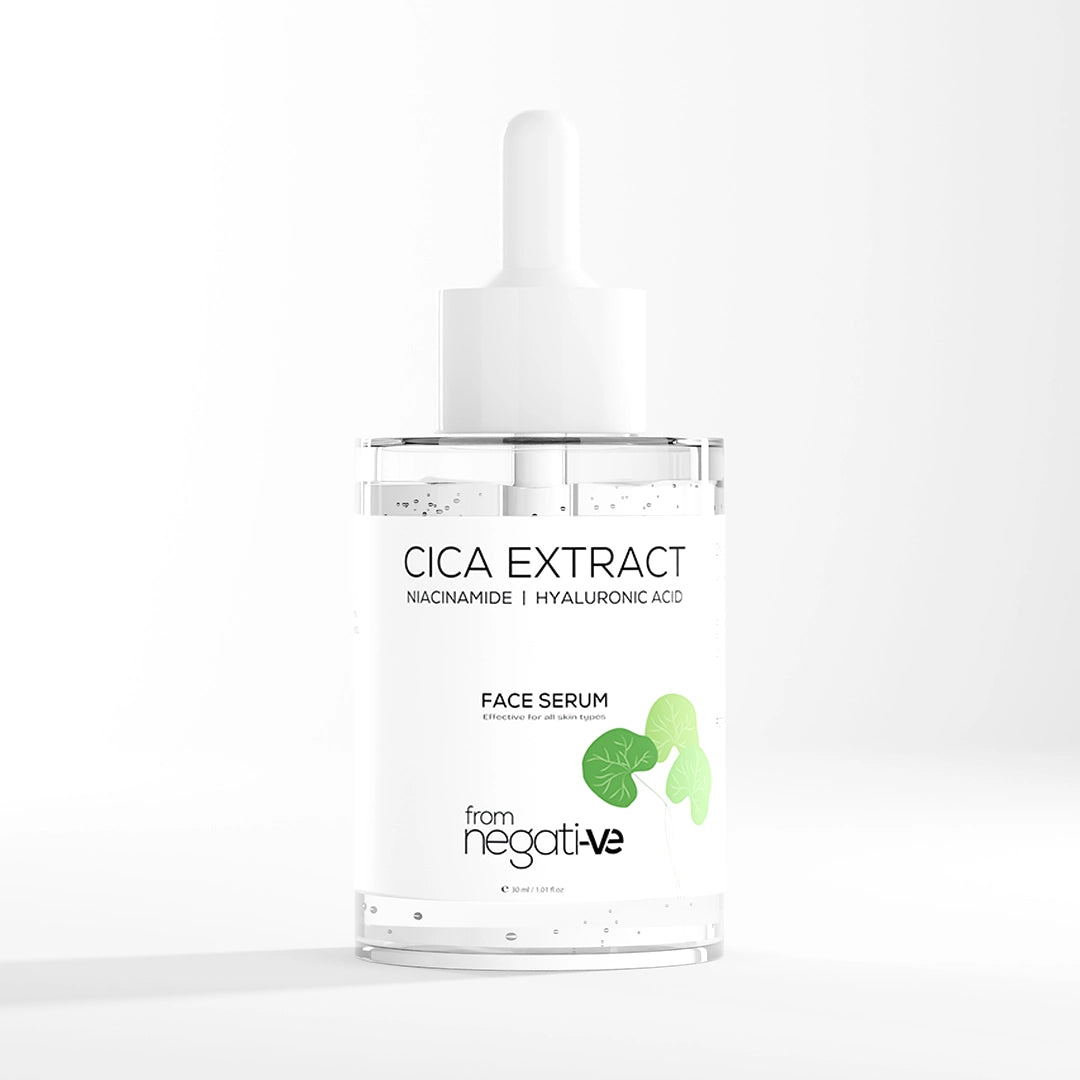
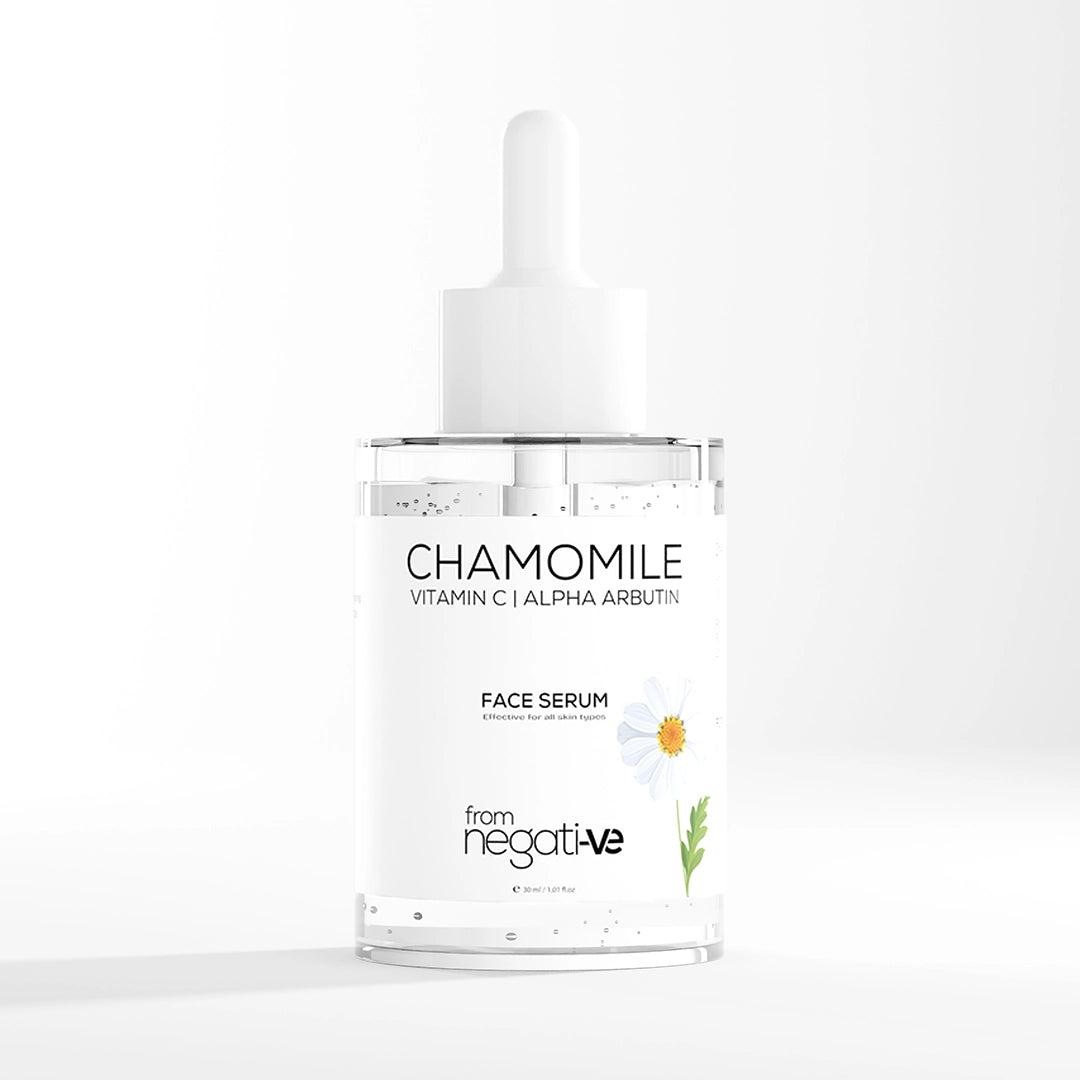
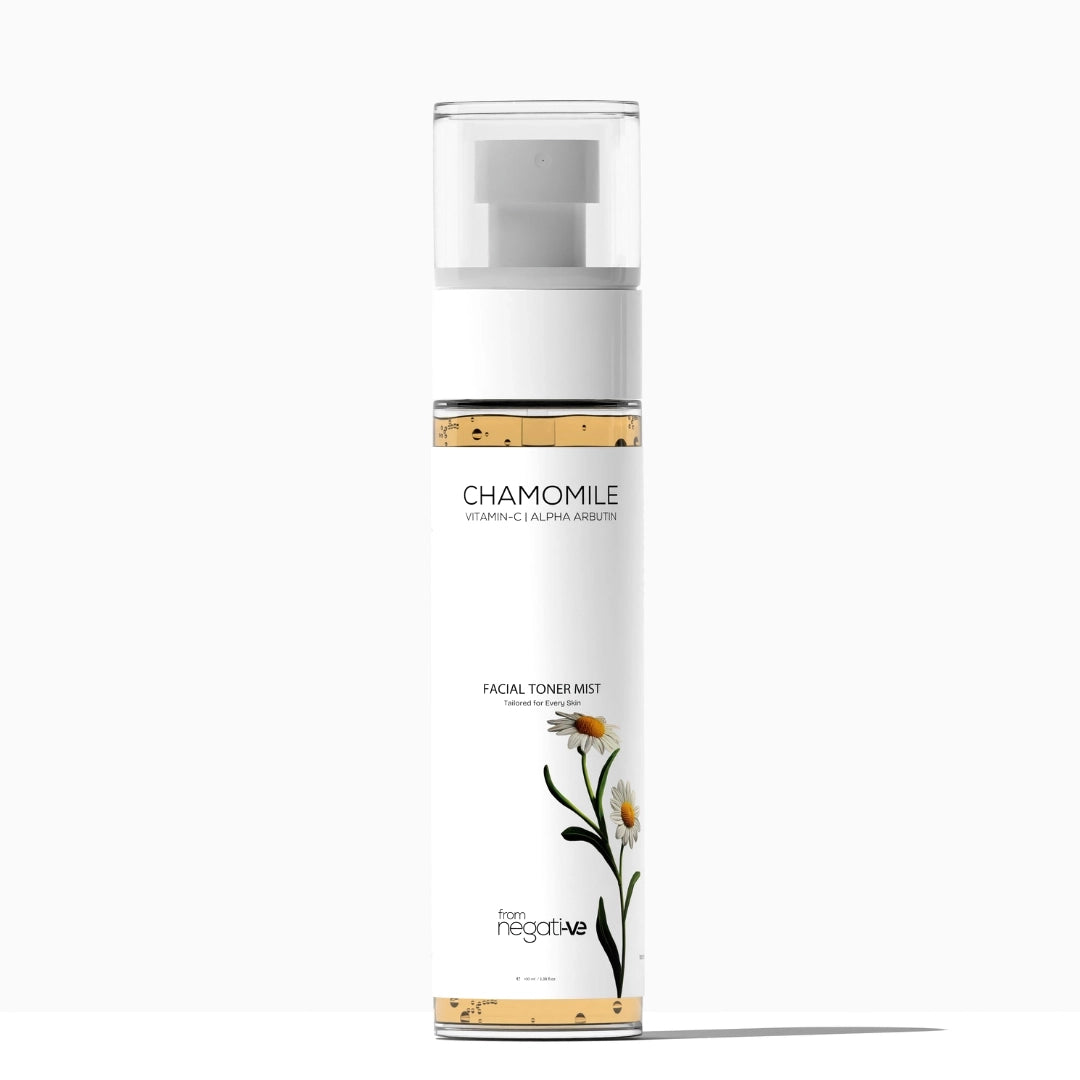
Chamomile extract, Centella Asiatica (CICA), Green tea, Panthenol, Allantoin.
These ingredients reduce redness, strengthen the skin barrier, and lower inflammatory signals.
Gentle toners and calming serums are ideal for this stage. For summer routines, lightweight calming products work best because heavy creams can trap sweat and increase irritation.
Phase 2: Repair the Skin Barrier
Once inflammation begins to settle, the next step is repairing the skin barrier.
The skin barrier is the outermost protective layer that prevents moisture loss and blocks environmental stress.
When the barrier becomes damaged, the skin becomes:
- Dehydrated
- Sensitive
- Prone to breakouts
- Vulnerable to pigmentation
Repairing the barrier helps restore normal skin function and prevents recurring inflammation.
Barrier repair ingredients include:
- Hyaluronic acid
- Ceramides
- Beta-glucan
- Peptides
- Panthenol
Hydration is especially important during Indian summers because heat and sweating can lead to hidden dehydration, even if the skin appears oily.
A well-hydrated barrier keeps melanocytes balanced and improves the skin’s ability to heal dark spots naturally.
Phase 3: Brighten the Skin
Only after the skin becomes calm and repaired should brightening treatments be introduced. This is when ingredients targeting pigmentation can work effectively.
Brightening ingredients help regulate melanin production and gradually fade existing dark spots.
Common brightening ingredients include:
- Vitamin C
- Niacinamide
- Alpha arbutin
- Licorice root extract
- Tranexamic acid
At this stage, the skin is less reactive, meaning brightening products are more likely to deliver visible improvements without triggering further inflammation.
Consistency is key. Pigmentation does not fade overnight, but with the correct routine, improvement becomes noticeable within a few weeks.
The Most Important Step: Sun Protection
No pigmentation routine is complete without daily sun protection.
UV radiation is the biggest trigger for melanin production. Even mild sun exposure can darken existing pigmentation and slow down fading.
Use a broad-spectrum sunscreen with SPF 30 or higher every day.
During summer months:
- Reapply sunscreen every 2–3 hours
- Wear protective clothing or hats
- Avoid peak sun hours when possible
Sun protection ensures that the work done in calming, repairing, and brightening the skin is not undone by UV damage.
Summer Habits That Prevent Pigmentation
Small lifestyle habits can also make a major difference in preventing dark spots.
Helpful habits include:
- Cleansing twice a day
- Avoid harsh scrubs
- Lightweight hydrating products
- Blot sweat, don't overwash
- Stay hydrated
- Protect from excessive heat
Over-cleansing or over-exfoliating during summer often leads to barrier damage, which increases pigmentation risk.
Gentle routines are far more effective than aggressive treatments.
Why Prevention Is Better Than Correction
Once pigmentation becomes deep, it can take months to fade completely. That’s why the best approach is preventing inflammation before pigmentation forms.
By maintaining a calming and barrier-supporting skincare routine, you reduce the chances of dark spots appearing in the first place.
This approach is particularly effective for people with:
- Acne-prone skin
- Sensitive skin
- Sun-sensitive skin
- Post-inflammatory hyperpigmentation
When the skin remains calm and hydrated, melanocytes are far less likely to produce excess pigment.
The From Negative Approach to Pigmentation
At From Negative, skincare is designed around one simple principle: Healthy skin begins with a calm barrier.
Instead of aggressive treatments, the brand focuses on gentle, barrier-supporting ingredients that work with the skin rather than against it.
Products formulated with calming botanicals like chamomile and CICA help reduce inflammation while strengthening the skin barrier — creating the ideal environment for brightening and recovery.
This philosophy is especially suited for Indian climates, where heat, humidity, and pollution constantly stress the skin.
By focusing on calming and repairing first, pigmentation care becomes more effective and sustainable.
Final Thoughts
Pigmentation is not just a cosmetic issue — it is often a signal that the skin has experienced inflammation or stress.
Treating dark spots without addressing the underlying inflammation is one of the biggest mistakes in skincare.
The most effective strategy follows a clear order:
Calm → Repair → Brighten → Protect
When the skin barrier is stable and healthy, pigmentation treatments work better, faster, and more safely.
Instead of fighting your skin, support it.
Because when the skin is calm, clarity naturally follows.